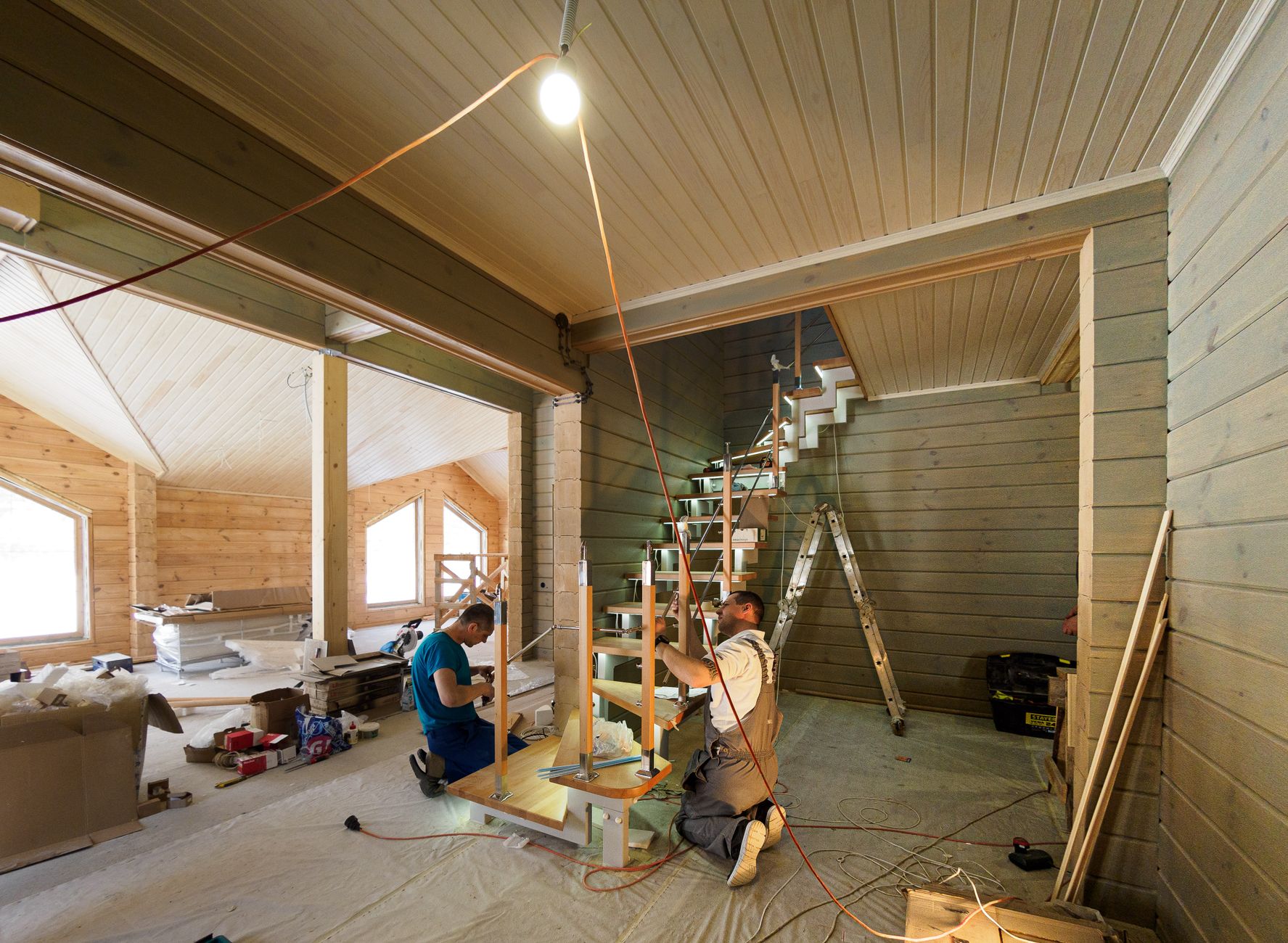
How Green Building Materials is Set to Gain Traction In Sustainable Developments

Summary The rapid emergence of Green Building Materials represents a critical milestone across the Home Design, Remodeling & Construction landscape. As industry groups begin to Gain Traction In Sustainable Developments, the operational and economic dynamics of the real estate ecosystem are adapting to new technological and regulatory benchmarks.
What Happened Recent updates from industry analysts highlight a clear trend: Green Building Materials is transitioning from an experimental concept into a standard practice. Deployments of Green Building Materials have surged by over 25% compared to previous quarters. This shift reflects how modern platforms like Reprosify help real estate brokerages, property managers, and investors find and deploy specialized talent and technologies.
Historically, changes of this magnitude in Home Design, Remodeling & Construction require multiple quarters to achieve mainstream status. However, current efficiency demands are driving rapid adoption as organizations seek to mitigate market risks.
The Critical Analysis From an analytical standpoint, the introduction of Green Building Materials to Gain Traction In Sustainable Developments highlights a divergence between legacy processes and modern, data-driven approaches. While initial media reports focus on immediate cost reductions, the long-term impact on transaction velocity, data security, and client experience is the true story.
Furthermore, decision-makers must evaluate the potential integration challenges of Green Building Materials against existing infrastructure. Proactive teams that balance adoption with rigorous compliance audits will gain a sustainable competitive edge.
Why It Matters For developers, brokers, and real estate professionals, this shift opens up immediate strategic possibilities. Streamlining operations through Green Building Materials can decrease administrative overhead, allowing teams to focus on relationship management and deal structuring.
Industry Implications Over the past year, the market has favored automation, density, and efficiency. Organizations that align their strategies with these trends will be well-positioned to capture market share as the industry continues to evolve.
Key Takeaways
- Efficiency Benchmarks: Adopting Green Building Materials leads to noticeable operational improvements.
- Integration Focus: Upgrades must align with existing CRMs and workflow tools.
- Market Leadership: Early adopters of Home Design, Remodeling & Construction upgrades gain long-term advantages.
- Risk Management: Rigorous audit processes remain essential during implementation.
- Strategic Positioning: Aligning systems with modern standards safeguards market share.
Sources This article is an original editorial report informed by the following news event:
- Builder Online (https://www.builderonline.com/news/how-green-building-materials-is-set-to-gain-traction-in-sustainable-developments) — Published July 10, 2026
resource.reprosify.com independently writes all editorial content from its own analysis. Outbound links credit original reporters.
Frequently Asked Questions Q: What is the main significance of Green Building Materials? A: It establishes a new standard for efficiency and scalability within Home Design, Remodeling & Construction, helping organizations optimize their workflows.
Q: How does this impact long-term real estate values? A: By reducing friction and transaction costs, it contributes to overall liquidity and stability in the market.
Q: What should organizations do next to prepare? A: Leaders should audit their current processes, assess compatibility with Green Building Materials, and coordinate pilot implementations.
Sources & Attribution
This article is an original editorial piece informed by reporting from:
- Builder Online — Published July 10, 2026
- Reprosify News — Published July 10, 2026
News.Reprosify.com independently writes all editorial content. Outbound links are provided to credit the source and direct readers to original reporting.