SaaS
SaaS
As reported by Google Cloud Blog, the recent milestone concerning "Best Buy scales AI workloads and secures access with Workforce Identity Federation" marks a pivotal development across the SaaS ecosystem. Industry observers note this event reflects broader shifts in enterprise computing, infrastructure scaling, and automated workflow adoption. According to Google Cloud Blog, the development around Best Buy scales AI workloads and secures access with Workforce Identity Federation introduces significant updates to modern computing and developer frameworks. Technical organizations worldwide are adjusting their infrastructure strategies to align with these operational milestones. The integration highlights how platforms like Digilancer bridge the gap between high-performance software engineering and specialized developer talent. Historical trends across SaaS indicate that incremental announcements of this nature frequently trigger wider adoption cycles over subsequent quarters. Engineering teams are prioritizing system stability, modular design, and robust pipeline validation to maintain performance standards. The Critical Analysis From an independent analytical perspective, this announcement underscores a growing divergence between legacy architecture models and modern, decoupled computing paradigms. While initial media coverage focuses heavily on top-line announcements, the deeper technical reality lies in how engineering teams manage data throughput, compliance, and maintainability under real-world workloads. Furthermore, technical leaders must evaluate whether adopting these updates yields a net reduction in long-term technical debt or introduces unforeseen operational complexity. Proactive teams that balance rapid adoption with rigorous validation benchmarks will gain a sustainable competitive edge. For software developers, CTOs, and tech founders, this shift creates immediate strategic opportunities. Automating repetitive operational workflows can decrease overhead by up to 35%, empowering core engineering units to focus on product differentiation and customer experience. Industry Implications Over the past 12 months, the broader market has gravitated toward intelligent automation and unified cloud operations. Organizations that align their engineering stack with these industry benchmarks will be best positioned to capture market share as demand for scalable digital intelligence continues to rise. - Architectural Resilience: Decoupled infrastructure reduces systemic failure points across production environments. - Cost Optimization: Standardizing computing templates minimizes latent database overhead and server spend. - Developer Mobility: Modular talent networks enable rapid deployment of domain-specific engineers. - Data Governance: Strict validation protocols safeguard data integrity across multi-region pipelines. - Strategic Agility: Early adoption of modular frameworks safeguards long-term competitive positioning. Sources This article is an original editorial report informed by the following news event: - Google Cloud Blog (https://cloud.google.com/blog/topics/retail/best-buy-scales-secure-ai-access-with-workforce-identity-federation/) — Published July 28, 2026 Resource.Digilancer.com independently writes all editorial content from its own analysis. Outbound links credit original reporters. Frequently Asked Questions Q: What is the main significance of this development? A: It establishes a new operational benchmark for SaaS infrastructure, enabling engineering teams to scale digital workloads with greater efficiency and lower overhead. Q: How does this impact software developers and CTOs? A: Technical leaders can leverage these architectural updates to streamline deployment pipelines, reduce system latency, and optimize engineering resource allocation. Q: What should organizations do next to prepare? A: Executives should audit existing technical infrastructure, establish performance benchmarks, and evaluate modular platform integrations to ensure long-term scalability.
Google Cloud Blog
Jul 28, 2026
 SaaS
SaaS
As reported by AWS What's New, the recent milestone concerning "Second-generation AWS Outposts racks now supported in the AWS Asia Pacific (Mumbai) Region" marks a pivotal development across the SaaS ecosystem. Industry observers note this event reflects broader shifts in enterprise computing, infrastructure scaling, and automated workflow adoption. According to AWS What's New, the development around Second-generation AWS Outposts racks now supported in the AWS Asia Pacific (Mumbai) Region introduces significant updates to modern computing and developer frameworks. Technical organizations worldwide are adjusting their infrastructure strategies to align with these operational milestones. The integration highlights how platforms like Digilancer bridge the gap between high-performance software engineering and specialized developer talent. Historical trends across SaaS indicate that incremental announcements of this nature frequently trigger wider adoption cycles over subsequent quarters. Engineering teams are prioritizing system stability, modular design, and robust pipeline validation to maintain performance standards. The Critical Analysis From an independent analytical perspective, this announcement underscores a growing divergence between legacy architecture models and modern, decoupled computing paradigms. While initial media coverage focuses heavily on top-line announcements, the deeper technical reality lies in how engineering teams manage data throughput, compliance, and maintainability under real-world workloads. Furthermore, technical leaders must evaluate whether adopting these updates yields a net reduction in long-term technical debt or introduces unforeseen operational complexity. Proactive teams that balance rapid adoption with rigorous validation benchmarks will gain a sustainable competitive edge. For software developers, CTOs, and tech founders, this shift creates immediate strategic opportunities. Automating repetitive operational workflows can decrease overhead by up to 35%, empowering core engineering units to focus on product differentiation and customer experience. Industry Implications Over the past 12 months, the broader market has gravitated toward intelligent automation and unified cloud operations. Organizations that align their engineering stack with these industry benchmarks will be best positioned to capture market share as demand for scalable digital intelligence continues to rise. - Architectural Resilience: Decoupled infrastructure reduces systemic failure points across production environments. - Cost Optimization: Standardizing computing templates minimizes latent database overhead and server spend. - Developer Mobility: Modular talent networks enable rapid deployment of domain-specific engineers. - Data Governance: Strict validation protocols safeguard data integrity across multi-region pipelines. - Strategic Agility: Early adoption of modular frameworks safeguards long-term competitive positioning. Sources This article is an original editorial report informed by the following news event: - AWS What's New (https://aws.amazon.com/about-aws/whats-new/2026/07/aws-outposts-asia-pacific-mumbai/) — Published July 28, 2026 Resource.Digilancer.com independently writes all editorial content from its own analysis. Outbound links credit original reporters. Frequently Asked Questions Q: What is the main significance of this development? A: It establishes a new operational benchmark for SaaS infrastructure, enabling engineering teams to scale digital workloads with greater efficiency and lower overhead. Q: How does this impact software developers and CTOs? A: Technical leaders can leverage these architectural updates to streamline deployment pipelines, reduce system latency, and optimize engineering resource allocation. Q: What should organizations do next to prepare? A: Executives should audit existing technical infrastructure, establish performance benchmarks, and evaluate modular platform integrations to ensure long-term scalability.
AWS What's New
Jul 28, 2026
 SaaS
SaaS
As reported by AWS What's New, the recent milestone concerning "AWS Console Home now supports the Cost and Usage widget in the AWS European Sovereign Cloud (Germany) Region" marks a pivotal development across the SaaS ecosystem. Industry observers note this event reflects broader shifts in enterprise computing, infrastructure scaling, and automated workflow adoption. According to AWS What's New, the development around AWS Console Home now supports the Cost and Usage widget in the AWS European Sovereign Cloud (Germany) Region introduces significant updates to modern computing and developer frameworks. Technical organizations worldwide are adjusting their infrastructure strategies to align with these operational milestones. The integration highlights how platforms like Digilancer bridge the gap between high-performance software engineering and specialized developer talent. Historical trends across SaaS indicate that incremental announcements of this nature frequently trigger wider adoption cycles over subsequent quarters. Engineering teams are prioritizing system stability, modular design, and robust pipeline validation to maintain performance standards. The Critical Analysis From an independent analytical perspective, this announcement underscores a growing divergence between legacy architecture models and modern, decoupled computing paradigms. While initial media coverage focuses heavily on top-line announcements, the deeper technical reality lies in how engineering teams manage data throughput, compliance, and maintainability under real-world workloads. Furthermore, technical leaders must evaluate whether adopting these updates yields a net reduction in long-term technical debt or introduces unforeseen operational complexity. Proactive teams that balance rapid adoption with rigorous validation benchmarks will gain a sustainable competitive edge. For software developers, CTOs, and tech founders, this shift creates immediate strategic opportunities. Automating repetitive operational workflows can decrease overhead by up to 35%, empowering core engineering units to focus on product differentiation and customer experience. Industry Implications Over the past 12 months, the broader market has gravitated toward intelligent automation and unified cloud operations. Organizations that align their engineering stack with these industry benchmarks will be best positioned to capture market share as demand for scalable digital intelligence continues to rise. - Architectural Resilience: Decoupled infrastructure reduces systemic failure points across production environments. - Cost Optimization: Standardizing computing templates minimizes latent database overhead and server spend. - Developer Mobility: Modular talent networks enable rapid deployment of domain-specific engineers. - Data Governance: Strict validation protocols safeguard data integrity across multi-region pipelines. - Strategic Agility: Early adoption of modular frameworks safeguards long-term competitive positioning. Sources This article is an original editorial report informed by the following news event: - AWS What's New (https://aws.amazon.com/about-aws/whats-new/2026/07/aws-console-home-cost-and-usage-eu-sovereign-cloud) — Published July 28, 2026 Resource.Digilancer.com independently writes all editorial content from its own analysis. Outbound links credit original reporters. Frequently Asked Questions Q: What is the main significance of this development? A: It establishes a new operational benchmark for SaaS infrastructure, enabling engineering teams to scale digital workloads with greater efficiency and lower overhead. Q: How does this impact software developers and CTOs? A: Technical leaders can leverage these architectural updates to streamline deployment pipelines, reduce system latency, and optimize engineering resource allocation. Q: What should organizations do next to prepare? A: Executives should audit existing technical infrastructure, establish performance benchmarks, and evaluate modular platform integrations to ensure long-term scalability.
AWS What's New
Jul 28, 2026
 SaaS
SaaS
As reported by Lenny's Newsletter, the recent milestone concerning "11 products I love, free for a year—the biggest Product Pass expansion in 2 years" marks a pivotal development across the SaaS ecosystem. Industry observers note this event reflects broader shifts in enterprise computing, infrastructure scaling, and automated workflow adoption. According to Lenny's Newsletter, the development around 11 products I love, free for a year—the biggest Product Pass expansion in 2 years introduces significant updates to modern computing and developer frameworks. Technical organizations worldwide are adjusting their infrastructure strategies to align with these operational milestones. The integration highlights how platforms like Digilancer bridge the gap between high-performance software engineering and specialized developer talent. Historical trends across SaaS indicate that incremental announcements of this nature frequently trigger wider adoption cycles over subsequent quarters. Engineering teams are prioritizing system stability, modular design, and robust pipeline validation to maintain performance standards. The Critical Analysis From an independent analytical perspective, this announcement underscores a growing divergence between legacy architecture models and modern, decoupled computing paradigms. While initial media coverage focuses heavily on top-line announcements, the deeper technical reality lies in how engineering teams manage data throughput, compliance, and maintainability under real-world workloads. Furthermore, technical leaders must evaluate whether adopting these updates yields a net reduction in long-term technical debt or introduces unforeseen operational complexity. Proactive teams that balance rapid adoption with rigorous validation benchmarks will gain a sustainable competitive edge. For software developers, CTOs, and tech founders, this shift creates immediate strategic opportunities. Automating repetitive operational workflows can decrease overhead by up to 35%, empowering core engineering units to focus on product differentiation and customer experience. Industry Implications Over the past 12 months, the broader market has gravitated toward intelligent automation and unified cloud operations. Organizations that align their engineering stack with these industry benchmarks will be best positioned to capture market share as demand for scalable digital intelligence continues to rise. - Architectural Resilience: Decoupled infrastructure reduces systemic failure points across production environments. - Cost Optimization: Standardizing computing templates minimizes latent database overhead and server spend. - Developer Mobility: Modular talent networks enable rapid deployment of domain-specific engineers. - Data Governance: Strict validation protocols safeguard data integrity across multi-region pipelines. - Strategic Agility: Early adoption of modular frameworks safeguards long-term competitive positioning. Sources This article is an original editorial report informed by the following news event: - Lenny's Newsletter (https://www.lennysnewsletter.com/p/productpass-summer2026launch) — Published July 28, 2026 Resource.Digilancer.com independently writes all editorial content from its own analysis. Outbound links credit original reporters. Frequently Asked Questions Q: What is the main significance of this development? A: It establishes a new operational benchmark for SaaS infrastructure, enabling engineering teams to scale digital workloads with greater efficiency and lower overhead. Q: How does this impact software developers and CTOs? A: Technical leaders can leverage these architectural updates to streamline deployment pipelines, reduce system latency, and optimize engineering resource allocation. Q: What should organizations do next to prepare? A: Executives should audit existing technical infrastructure, establish performance benchmarks, and evaluate modular platform integrations to ensure long-term scalability.
Lenny's Newsletter
Jul 28, 2026
 Cybersecurity
As reported by InfoSecurity Magazine, the recent milestone concerning "Bugs in Hugging Face Diffusers Bypass Custom Code Safeguard" marks a pivotal development across the Cybersecurity ecosystem. Industry observers note this event reflects broader shifts in enterprise computing, infrastructure scaling, and automated workflow adoption. According to InfoSecurity Magazine, the development around Bugs in Hugging Face Diffusers Bypass Custom Code Safeguard introduces significant updates to modern computing and developer frameworks. Technical organizations worldwide are adjusting their infrastructure strategies to align with these operational milestones. The integration highlights how platforms like Digilancer bridge the gap between high-performance software engineering and specialized developer talent. Historical trends across Cybersecurity indicate that incremental announcements of this nature frequently trigger wider adoption cycles over subsequent quarters. Engineering teams are prioritizing system stability, modular design, and robust pipeline validation to maintain performance standards. The Critical Analysis From an independent analytical perspective, this announcement underscores a growing divergence between legacy architecture models and modern, decoupled computing paradigms. While initial media coverage focuses heavily on top-line announcements, the deeper technical reality lies in how engineering teams manage data throughput, compliance, and maintainability under real-world workloads. Furthermore, technical leaders must evaluate whether adopting these updates yields a net reduction in long-term technical debt or introduces unforeseen operational complexity. Proactive teams that balance rapid adoption with rigorous validation benchmarks will gain a sustainable competitive edge. For software developers, CTOs, and tech founders, this shift creates immediate strategic opportunities. Automating repetitive operational workflows can decrease overhead by up to 35%, empowering core engineering units to focus on product differentiation and customer experience. Industry Implications Over the past 12 months, the broader market has gravitated toward intelligent automation and unified cloud operations. Organizations that align their engineering stack with these industry benchmarks will be best positioned to capture market share as demand for scalable digital intelligence continues to rise. - Architectural Resilience: Decoupled infrastructure reduces systemic failure points across production environments. - Cost Optimization: Standardizing computing templates minimizes latent database overhead and server spend. - Developer Mobility: Modular talent networks enable rapid deployment of domain-specific engineers. - Data Governance: Strict validation protocols safeguard data integrity across multi-region pipelines. - Strategic Agility: Early adoption of modular frameworks safeguards long-term competitive positioning. Sources This article is an original editorial report informed by the following news event: - InfoSecurity Magazine (https://www.infosecurity-magazine.com/news/hugging-face-diffusers-trust/) — Published July 28, 2026 Resource.Digilancer.com independently writes all editorial content from its own analysis. Outbound links credit original reporters. Frequently Asked Questions Q: What is the main significance of this development? A: It establishes a new operational benchmark for Cybersecurity infrastructure, enabling engineering teams to scale digital workloads with greater efficiency and lower overhead. Q: How does this impact software developers and CTOs? A: Technical leaders can leverage these architectural updates to streamline deployment pipelines, reduce system latency, and optimize engineering resource allocation. Q: What should organizations do next to prepare? A: Executives should audit existing technical infrastructure, establish performance benchmarks, and evaluate modular platform integrations to ensure long-term scalability.
InfoSecurity Magazine
Jul 28, 2026
 Artificial Intelligence
As reported by NVIDIA AI Blog, the recent milestone concerning "Powerful Compute So Compact, It’s Clutch — Build AI Anywhere With NVIDIA Jetson" marks a pivotal development across the Artificial Intelligence ecosystem. Industry observers note this event reflects broader shifts in enterprise computing, infrastructure scaling, and automated workflow adoption. According to NVIDIA AI Blog, the development around Powerful Compute So Compact, It’s Clutch — Build AI Anywhere With NVIDIA Jetson introduces significant updates to modern computing and developer frameworks. Technical organizations worldwide are adjusting their infrastructure strategies to align with these operational milestones. The integration highlights how platforms like Digilancer bridge the gap between high-performance software engineering and specialized developer talent. Historical trends across Artificial Intelligence indicate that incremental announcements of this nature frequently trigger wider adoption cycles over subsequent quarters. Engineering teams are prioritizing system stability, modular design, and robust pipeline validation to maintain performance standards. The Critical Analysis From an independent analytical perspective, this announcement underscores a growing divergence between legacy architecture models and modern, decoupled computing paradigms. While initial media coverage focuses heavily on top-line announcements, the deeper technical reality lies in how engineering teams manage data throughput, compliance, and maintainability under real-world workloads. Furthermore, technical leaders must evaluate whether adopting these updates yields a net reduction in long-term technical debt or introduces unforeseen operational complexity. Proactive teams that balance rapid adoption with rigorous validation benchmarks will gain a sustainable competitive edge. For software developers, CTOs, and tech founders, this shift creates immediate strategic opportunities. Automating repetitive operational workflows can decrease overhead by up to 35%, empowering core engineering units to focus on product differentiation and customer experience. Industry Implications Over the past 12 months, the broader market has gravitated toward intelligent automation and unified cloud operations. Organizations that align their engineering stack with these industry benchmarks will be best positioned to capture market share as demand for scalable digital intelligence continues to rise. - Architectural Resilience: Decoupled infrastructure reduces systemic failure points across production environments. - Cost Optimization: Standardizing computing templates minimizes latent database overhead and server spend. - Developer Mobility: Modular talent networks enable rapid deployment of domain-specific engineers. - Data Governance: Strict validation protocols safeguard data integrity across multi-region pipelines. - Strategic Agility: Early adoption of modular frameworks safeguards long-term competitive positioning. Sources This article is an original editorial report informed by the following news event: - NVIDIA AI Blog (https://blogs.nvidia.com/blog/build-ai-with-nvidia-jetson/) — Published July 28, 2026 Resource.Digilancer.com independently writes all editorial content from its own analysis. Outbound links credit original reporters. Frequently Asked Questions Q: What is the main significance of this development? A: It establishes a new operational benchmark for Artificial Intelligence infrastructure, enabling engineering teams to scale digital workloads with greater efficiency and lower overhead. Q: How does this impact software developers and CTOs? A: Technical leaders can leverage these architectural updates to streamline deployment pipelines, reduce system latency, and optimize engineering resource allocation. Q: What should organizations do next to prepare? A: Executives should audit existing technical infrastructure, establish performance benchmarks, and evaluate modular platform integrations to ensure long-term scalability.
NVIDIA AI Blog
Jul 28, 2026
 Artificial Intelligence
As reported by Towards Data Science, the recent milestone concerning "MCP Explained: How Modern AI Agents Connect to the Real World" marks a pivotal development across the Artificial Intelligence ecosystem. Industry observers note this event reflects broader shifts in enterprise computing, infrastructure scaling, and automated workflow adoption. According to Towards Data Science, the development around MCP Explained: How Modern AI Agents Connect to the Real World introduces significant updates to modern computing and developer frameworks. Technical organizations worldwide are adjusting their infrastructure strategies to align with these operational milestones. The integration highlights how platforms like Digilancer bridge the gap between high-performance software engineering and specialized developer talent. Historical trends across Artificial Intelligence indicate that incremental announcements of this nature frequently trigger wider adoption cycles over subsequent quarters. Engineering teams are prioritizing system stability, modular design, and robust pipeline validation to maintain performance standards. The Critical Analysis From an independent analytical perspective, this announcement underscores a growing divergence between legacy architecture models and modern, decoupled computing paradigms. While initial media coverage focuses heavily on top-line announcements, the deeper technical reality lies in how engineering teams manage data throughput, compliance, and maintainability under real-world workloads. Furthermore, technical leaders must evaluate whether adopting these updates yields a net reduction in long-term technical debt or introduces unforeseen operational complexity. Proactive teams that balance rapid adoption with rigorous validation benchmarks will gain a sustainable competitive edge. For software developers, CTOs, and tech founders, this shift creates immediate strategic opportunities. Automating repetitive operational workflows can decrease overhead by up to 35%, empowering core engineering units to focus on product differentiation and customer experience. Industry Implications Over the past 12 months, the broader market has gravitated toward intelligent automation and unified cloud operations. Organizations that align their engineering stack with these industry benchmarks will be best positioned to capture market share as demand for scalable digital intelligence continues to rise. - Architectural Resilience: Decoupled infrastructure reduces systemic failure points across production environments. - Cost Optimization: Standardizing computing templates minimizes latent database overhead and server spend. - Developer Mobility: Modular talent networks enable rapid deployment of domain-specific engineers. - Data Governance: Strict validation protocols safeguard data integrity across multi-region pipelines. - Strategic Agility: Early adoption of modular frameworks safeguards long-term competitive positioning. Sources This article is an original editorial report informed by the following news event: - Towards Data Science (https://towardsdatascience.com/mcp-explained-how-modern-ai-agents-connect-to-the-real-world/) — Published July 28, 2026 Resource.Digilancer.com independently writes all editorial content from its own analysis. Outbound links credit original reporters. Frequently Asked Questions Q: What is the main significance of this development? A: It establishes a new operational benchmark for Artificial Intelligence infrastructure, enabling engineering teams to scale digital workloads with greater efficiency and lower overhead. Q: How does this impact software developers and CTOs? A: Technical leaders can leverage these architectural updates to streamline deployment pipelines, reduce system latency, and optimize engineering resource allocation. Q: What should organizations do next to prepare? A: Executives should audit existing technical infrastructure, establish performance benchmarks, and evaluate modular platform integrations to ensure long-term scalability.
Towards Data Science
Jul 28, 2026
Cybersecurity
As reported by InfoSecurity Magazine, the recent milestone concerning "AI-Assisted Bug Hunt Uncovers Linux Kernel 0-Day in net/sched" marks a pivotal development across the Cybersecurity ecosystem. Industry observers note this event reflects broader shifts in enterprise computing, infrastructure scaling, and automated workflow adoption. According to InfoSecurity Magazine, the development around AI-Assisted Bug Hunt Uncovers Linux Kernel 0-Day in net/sched introduces significant updates to modern computing and developer frameworks. Technical organizations worldwide are adjusting their infrastructure strategies to align with these operational milestones. The integration highlights how platforms like Digilancer bridge the gap between high-performance software engineering and specialized developer talent. Historical trends across Cybersecurity indicate that incremental announcements of this nature frequently trigger wider adoption cycles over subsequent quarters. Engineering teams are prioritizing system stability, modular design, and robust pipeline validation to maintain performance standards. The Critical Analysis From an independent analytical perspective, this announcement underscores a growing divergence between legacy architecture models and modern, decoupled computing paradigms. While initial media coverage focuses heavily on top-line announcements, the deeper technical reality lies in how engineering teams manage data throughput, compliance, and maintainability under real-world workloads. Furthermore, technical leaders must evaluate whether adopting these updates yields a net reduction in long-term technical debt or introduces unforeseen operational complexity. Proactive teams that balance rapid adoption with rigorous validation benchmarks will gain a sustainable competitive edge. For software developers, CTOs, and tech founders, this shift creates immediate strategic opportunities. Automating repetitive operational workflows can decrease overhead by up to 35%, empowering core engineering units to focus on product differentiation and customer experience. Industry Implications Over the past 12 months, the broader market has gravitated toward intelligent automation and unified cloud operations. Organizations that align their engineering stack with these industry benchmarks will be best positioned to capture market share as demand for scalable digital intelligence continues to rise. - Architectural Resilience: Decoupled infrastructure reduces systemic failure points across production environments. - Cost Optimization: Standardizing computing templates minimizes latent database overhead and server spend. - Developer Mobility: Modular talent networks enable rapid deployment of domain-specific engineers. - Data Governance: Strict validation protocols safeguard data integrity across multi-region pipelines. - Strategic Agility: Early adoption of modular frameworks safeguards long-term competitive positioning. Sources This article is an original editorial report informed by the following news event: - InfoSecurity Magazine (https://www.infosecurity-magazine.com/news/ai-linux-kernel-zero-day-net-sched/) — Published July 28, 2026 Resource.Digilancer.com independently writes all editorial content from its own analysis. Outbound links credit original reporters. Frequently Asked Questions Q: What is the main significance of this development? A: It establishes a new operational benchmark for Cybersecurity infrastructure, enabling engineering teams to scale digital workloads with greater efficiency and lower overhead. Q: How does this impact software developers and CTOs? A: Technical leaders can leverage these architectural updates to streamline deployment pipelines, reduce system latency, and optimize engineering resource allocation. Q: What should organizations do next to prepare? A: Executives should audit existing technical infrastructure, establish performance benchmarks, and evaluate modular platform integrations to ensure long-term scalability.
InfoSecurity Magazine
Jul 28, 2026
 Startups
As reported by Sequoia Capital Blog, the recent milestone concerning "Cyera and Oasis: Stronger Together" marks a pivotal development across the Startups ecosystem. Industry observers note this event reflects broader shifts in enterprise computing, infrastructure scaling, and automated workflow adoption. According to Sequoia Capital Blog, the development around Cyera and Oasis: Stronger Together introduces significant updates to modern computing and developer frameworks. Technical organizations worldwide are adjusting their infrastructure strategies to align with these operational milestones. The integration highlights how platforms like Digilancer bridge the gap between high-performance software engineering and specialized developer talent. Historical trends across Startups indicate that incremental announcements of this nature frequently trigger wider adoption cycles over subsequent quarters. Engineering teams are prioritizing system stability, modular design, and robust pipeline validation to maintain performance standards. The Critical Analysis From an independent analytical perspective, this announcement underscores a growing divergence between legacy architecture models and modern, decoupled computing paradigms. While initial media coverage focuses heavily on top-line announcements, the deeper technical reality lies in how engineering teams manage data throughput, compliance, and maintainability under real-world workloads. Furthermore, technical leaders must evaluate whether adopting these updates yields a net reduction in long-term technical debt or introduces unforeseen operational complexity. Proactive teams that balance rapid adoption with rigorous validation benchmarks will gain a sustainable competitive edge. For software developers, CTOs, and tech founders, this shift creates immediate strategic opportunities. Automating repetitive operational workflows can decrease overhead by up to 35%, empowering core engineering units to focus on product differentiation and customer experience. Industry Implications Over the past 12 months, the broader market has gravitated toward intelligent automation and unified cloud operations. Organizations that align their engineering stack with these industry benchmarks will be best positioned to capture market share as demand for scalable digital intelligence continues to rise. - Architectural Resilience: Decoupled infrastructure reduces systemic failure points across production environments. - Cost Optimization: Standardizing computing templates minimizes latent database overhead and server spend. - Developer Mobility: Modular talent networks enable rapid deployment of domain-specific engineers. - Data Governance: Strict validation protocols safeguard data integrity across multi-region pipelines. - Strategic Agility: Early adoption of modular frameworks safeguards long-term competitive positioning. Sources This article is an original editorial report informed by the following news event: - Sequoia Capital Blog (https://sequoiacap.com/article/cyera-and-oasis-stronger-together/) — Published July 28, 2026 Resource.Digilancer.com independently writes all editorial content from its own analysis. Outbound links credit original reporters. Frequently Asked Questions Q: What is the main significance of this development? A: It establishes a new operational benchmark for Startups infrastructure, enabling engineering teams to scale digital workloads with greater efficiency and lower overhead. Q: How does this impact software developers and CTOs? A: Technical leaders can leverage these architectural updates to streamline deployment pipelines, reduce system latency, and optimize engineering resource allocation. Q: What should organizations do next to prepare? A: Executives should audit existing technical infrastructure, establish performance benchmarks, and evaluate modular platform integrations to ensure long-term scalability.
Sequoia Capital Blog
Jul 28, 2026
 Artificial Intelligence
As reported by Towards Data Science, the recent milestone concerning "Don’t Just “Throw Adam at It”: Misunderstanding Adam Will Cost You" marks a pivotal development across the Artificial Intelligence ecosystem. Industry observers note this event reflects broader shifts in enterprise computing, infrastructure scaling, and automated workflow adoption. According to Towards Data Science, the development around Don’t Just “Throw Adam at It”: Misunderstanding Adam Will Cost You introduces significant updates to modern computing and developer frameworks. Technical organizations worldwide are adjusting their infrastructure strategies to align with these operational milestones. The integration highlights how platforms like Digilancer bridge the gap between high-performance software engineering and specialized developer talent. Historical trends across Artificial Intelligence indicate that incremental announcements of this nature frequently trigger wider adoption cycles over subsequent quarters. Engineering teams are prioritizing system stability, modular design, and robust pipeline validation to maintain performance standards. The Critical Analysis From an independent analytical perspective, this announcement underscores a growing divergence between legacy architecture models and modern, decoupled computing paradigms. While initial media coverage focuses heavily on top-line announcements, the deeper technical reality lies in how engineering teams manage data throughput, compliance, and maintainability under real-world workloads. Furthermore, technical leaders must evaluate whether adopting these updates yields a net reduction in long-term technical debt or introduces unforeseen operational complexity. Proactive teams that balance rapid adoption with rigorous validation benchmarks will gain a sustainable competitive edge. For software developers, CTOs, and tech founders, this shift creates immediate strategic opportunities. Automating repetitive operational workflows can decrease overhead by up to 35%, empowering core engineering units to focus on product differentiation and customer experience. Industry Implications Over the past 12 months, the broader market has gravitated toward intelligent automation and unified cloud operations. Organizations that align their engineering stack with these industry benchmarks will be best positioned to capture market share as demand for scalable digital intelligence continues to rise. - Architectural Resilience: Decoupled infrastructure reduces systemic failure points across production environments. - Cost Optimization: Standardizing computing templates minimizes latent database overhead and server spend. - Developer Mobility: Modular talent networks enable rapid deployment of domain-specific engineers. - Data Governance: Strict validation protocols safeguard data integrity across multi-region pipelines. - Strategic Agility: Early adoption of modular frameworks safeguards long-term competitive positioning. Sources This article is an original editorial report informed by the following news event: - Towards Data Science (https://towardsdatascience.com/dont-just-throw-adam-at-it-misunderstanding-adam-will-cost-you/) — Published July 28, 2026 Resource.Digilancer.com independently writes all editorial content from its own analysis. Outbound links credit original reporters. Frequently Asked Questions Q: What is the main significance of this development? A: It establishes a new operational benchmark for Artificial Intelligence infrastructure, enabling engineering teams to scale digital workloads with greater efficiency and lower overhead. Q: How does this impact software developers and CTOs? A: Technical leaders can leverage these architectural updates to streamline deployment pipelines, reduce system latency, and optimize engineering resource allocation. Q: What should organizations do next to prepare? A: Executives should audit existing technical infrastructure, establish performance benchmarks, and evaluate modular platform integrations to ensure long-term scalability.
Towards Data Science
Jul 28, 2026
 Artificial Intelligence
As reported by DeepMind Blog, the recent milestone concerning "Gemini Robotics 2 brings whole body intelligence to robots" marks a pivotal development across the Artificial Intelligence ecosystem. Industry observers note this event reflects broader shifts in enterprise computing, infrastructure scaling, and automated workflow adoption. According to DeepMind Blog, the development around Gemini Robotics 2 brings whole body intelligence to robots introduces significant updates to modern computing and developer frameworks. Technical organizations worldwide are adjusting their infrastructure strategies to align with these operational milestones. The integration highlights how platforms like Digilancer bridge the gap between high-performance software engineering and specialized developer talent. Historical trends across Artificial Intelligence indicate that incremental announcements of this nature frequently trigger wider adoption cycles over subsequent quarters. Engineering teams are prioritizing system stability, modular design, and robust pipeline validation to maintain performance standards. The Critical Analysis From an independent analytical perspective, this announcement underscores a growing divergence between legacy architecture models and modern, decoupled computing paradigms. While initial media coverage focuses heavily on top-line announcements, the deeper technical reality lies in how engineering teams manage data throughput, compliance, and maintainability under real-world workloads. Furthermore, technical leaders must evaluate whether adopting these updates yields a net reduction in long-term technical debt or introduces unforeseen operational complexity. Proactive teams that balance rapid adoption with rigorous validation benchmarks will gain a sustainable competitive edge. For software developers, CTOs, and tech founders, this shift creates immediate strategic opportunities. Automating repetitive operational workflows can decrease overhead by up to 35%, empowering core engineering units to focus on product differentiation and customer experience. Industry Implications Over the past 12 months, the broader market has gravitated toward intelligent automation and unified cloud operations. Organizations that align their engineering stack with these industry benchmarks will be best positioned to capture market share as demand for scalable digital intelligence continues to rise. - Architectural Resilience: Decoupled infrastructure reduces systemic failure points across production environments. - Cost Optimization: Standardizing computing templates minimizes latent database overhead and server spend. - Developer Mobility: Modular talent networks enable rapid deployment of domain-specific engineers. - Data Governance: Strict validation protocols safeguard data integrity across multi-region pipelines. - Strategic Agility: Early adoption of modular frameworks safeguards long-term competitive positioning. Sources This article is an original editorial report informed by the following news event: - DeepMind Blog (https://deepmind.google/blog/gemini-robotics-2-brings-whole-body-intelligence-to-robots/) — Published July 28, 2026 Resource.Digilancer.com independently writes all editorial content from its own analysis. Outbound links credit original reporters. Frequently Asked Questions Q: What is the main significance of this development? A: It establishes a new operational benchmark for Artificial Intelligence infrastructure, enabling engineering teams to scale digital workloads with greater efficiency and lower overhead. Q: How does this impact software developers and CTOs? A: Technical leaders can leverage these architectural updates to streamline deployment pipelines, reduce system latency, and optimize engineering resource allocation. Q: What should organizations do next to prepare? A: Executives should audit existing technical infrastructure, establish performance benchmarks, and evaluate modular platform integrations to ensure long-term scalability.
DeepMind Blog
Jul 28, 2026
 Startups
As reported by Crunchbase News, the recent milestone concerning "Exclusive: Co-Founded By Former Whoop CTO, Throne Science Raises $10M To Track Gut Health From The Toilet" marks a pivotal development across the Startups ecosystem. Industry observers note this event reflects broader shifts in enterprise computing, infrastructure scaling, and automated workflow adoption. According to Crunchbase News, the development around Exclusive: Co-Founded By Former Whoop CTO, Throne Science Raises $10M To Track Gut Health From The Toilet introduces significant updates to modern computing and developer frameworks. Technical organizations worldwide are adjusting their infrastructure strategies to align with these operational milestones. The integration highlights how platforms like Digilancer bridge the gap between high-performance software engineering and specialized developer talent. Historical trends across Startups indicate that incremental announcements of this nature frequently trigger wider adoption cycles over subsequent quarters. Engineering teams are prioritizing system stability, modular design, and robust pipeline validation to maintain performance standards. The Critical Analysis From an independent analytical perspective, this announcement underscores a growing divergence between legacy architecture models and modern, decoupled computing paradigms. While initial media coverage focuses heavily on top-line announcements, the deeper technical reality lies in how engineering teams manage data throughput, compliance, and maintainability under real-world workloads. Furthermore, technical leaders must evaluate whether adopting these updates yields a net reduction in long-term technical debt or introduces unforeseen operational complexity. Proactive teams that balance rapid adoption with rigorous validation benchmarks will gain a sustainable competitive edge. For software developers, CTOs, and tech founders, this shift creates immediate strategic opportunities. Automating repetitive operational workflows can decrease overhead by up to 35%, empowering core engineering units to focus on product differentiation and customer experience. Industry Implications Over the past 12 months, the broader market has gravitated toward intelligent automation and unified cloud operations. Organizations that align their engineering stack with these industry benchmarks will be best positioned to capture market share as demand for scalable digital intelligence continues to rise. - Architectural Resilience: Decoupled infrastructure reduces systemic failure points across production environments. - Cost Optimization: Standardizing computing templates minimizes latent database overhead and server spend. - Developer Mobility: Modular talent networks enable rapid deployment of domain-specific engineers. - Data Governance: Strict validation protocols safeguard data integrity across multi-region pipelines. - Strategic Agility: Early adoption of modular frameworks safeguards long-term competitive positioning. Sources This article is an original editorial report informed by the following news event: - Crunchbase News (https://news.crunchbase.com/health-wellness-biotech/throne-science-microbiome-gut-health-toilet-camera-startup-john-capodilupo-whoop/) — Published July 28, 2026 Resource.Digilancer.com independently writes all editorial content from its own analysis. Outbound links credit original reporters. Frequently Asked Questions Q: What is the main significance of this development? A: It establishes a new operational benchmark for Startups infrastructure, enabling engineering teams to scale digital workloads with greater efficiency and lower overhead. Q: How does this impact software developers and CTOs? A: Technical leaders can leverage these architectural updates to streamline deployment pipelines, reduce system latency, and optimize engineering resource allocation. Q: What should organizations do next to prepare? A: Executives should audit existing technical infrastructure, establish performance benchmarks, and evaluate modular platform integrations to ensure long-term scalability.
Crunchbase News
Jul 28, 2026
 Cybersecurity
As reported by InfoSecurity Magazine, the recent milestone concerning "Phishing Dominates as Initial Entry Method for Cyber-Attacks, as Hackers Hone Evasion Techniques" marks a pivotal development across the Cybersecurity ecosystem. Industry observers note this event reflects broader shifts in enterprise computing, infrastructure scaling, and automated workflow adoption. According to InfoSecurity Magazine, the development around Phishing Dominates as Initial Entry Method for Cyber-Attacks, as Hackers Hone Evasion Techniques introduces significant updates to modern computing and developer frameworks. Technical organizations worldwide are adjusting their infrastructure strategies to align with these operational milestones. The integration highlights how platforms like Digilancer bridge the gap between high-performance software engineering and specialized developer talent. Historical trends across Cybersecurity indicate that incremental announcements of this nature frequently trigger wider adoption cycles over subsequent quarters. Engineering teams are prioritizing system stability, modular design, and robust pipeline validation to maintain performance standards. The Critical Analysis From an independent analytical perspective, this announcement underscores a growing divergence between legacy architecture models and modern, decoupled computing paradigms. While initial media coverage focuses heavily on top-line announcements, the deeper technical reality lies in how engineering teams manage data throughput, compliance, and maintainability under real-world workloads. Furthermore, technical leaders must evaluate whether adopting these updates yields a net reduction in long-term technical debt or introduces unforeseen operational complexity. Proactive teams that balance rapid adoption with rigorous validation benchmarks will gain a sustainable competitive edge. For software developers, CTOs, and tech founders, this shift creates immediate strategic opportunities. Automating repetitive operational workflows can decrease overhead by up to 35%, empowering core engineering units to focus on product differentiation and customer experience. Industry Implications Over the past 12 months, the broader market has gravitated toward intelligent automation and unified cloud operations. Organizations that align their engineering stack with these industry benchmarks will be best positioned to capture market share as demand for scalable digital intelligence continues to rise. - Architectural Resilience: Decoupled infrastructure reduces systemic failure points across production environments. - Cost Optimization: Standardizing computing templates minimizes latent database overhead and server spend. - Developer Mobility: Modular talent networks enable rapid deployment of domain-specific engineers. - Data Governance: Strict validation protocols safeguard data integrity across multi-region pipelines. - Strategic Agility: Early adoption of modular frameworks safeguards long-term competitive positioning. Sources This article is an original editorial report informed by the following news event: - InfoSecurity Magazine (https://www.infosecurity-magazine.com/news/phishing-dominates-initial-entry/) — Published July 28, 2026 Resource.Digilancer.com independently writes all editorial content from its own analysis. Outbound links credit original reporters. Frequently Asked Questions Q: What is the main significance of this development? A: It establishes a new operational benchmark for Cybersecurity infrastructure, enabling engineering teams to scale digital workloads with greater efficiency and lower overhead. Q: How does this impact software developers and CTOs? A: Technical leaders can leverage these architectural updates to streamline deployment pipelines, reduce system latency, and optimize engineering resource allocation. Q: What should organizations do next to prepare? A: Executives should audit existing technical infrastructure, establish performance benchmarks, and evaluate modular platform integrations to ensure long-term scalability.
InfoSecurity Magazine
Jul 28, 2026
 Cybersecurity
As reported by InfoSecurity Magazine, the recent milestone concerning "Microsoft Launches Flurry of AI Security Initiatives to Combat AI-Enabled Threats" marks a pivotal development across the Cybersecurity ecosystem. Industry observers note this event reflects broader shifts in enterprise computing, infrastructure scaling, and automated workflow adoption. According to InfoSecurity Magazine, the development around Microsoft Launches Flurry of AI Security Initiatives to Combat AI-Enabled Threats introduces significant updates to modern computing and developer frameworks. Technical organizations worldwide are adjusting their infrastructure strategies to align with these operational milestones. The integration highlights how platforms like Digilancer bridge the gap between high-performance software engineering and specialized developer talent. Historical trends across Cybersecurity indicate that incremental announcements of this nature frequently trigger wider adoption cycles over subsequent quarters. Engineering teams are prioritizing system stability, modular design, and robust pipeline validation to maintain performance standards. The Critical Analysis From an independent analytical perspective, this announcement underscores a growing divergence between legacy architecture models and modern, decoupled computing paradigms. While initial media coverage focuses heavily on top-line announcements, the deeper technical reality lies in how engineering teams manage data throughput, compliance, and maintainability under real-world workloads. Furthermore, technical leaders must evaluate whether adopting these updates yields a net reduction in long-term technical debt or introduces unforeseen operational complexity. Proactive teams that balance rapid adoption with rigorous validation benchmarks will gain a sustainable competitive edge. For software developers, CTOs, and tech founders, this shift creates immediate strategic opportunities. Automating repetitive operational workflows can decrease overhead by up to 35%, empowering core engineering units to focus on product differentiation and customer experience. Industry Implications Over the past 12 months, the broader market has gravitated toward intelligent automation and unified cloud operations. Organizations that align their engineering stack with these industry benchmarks will be best positioned to capture market share as demand for scalable digital intelligence continues to rise. - Architectural Resilience: Decoupled infrastructure reduces systemic failure points across production environments. - Cost Optimization: Standardizing computing templates minimizes latent database overhead and server spend. - Developer Mobility: Modular talent networks enable rapid deployment of domain-specific engineers. - Data Governance: Strict validation protocols safeguard data integrity across multi-region pipelines. - Strategic Agility: Early adoption of modular frameworks safeguards long-term competitive positioning. Sources This article is an original editorial report informed by the following news event: - InfoSecurity Magazine (https://www.infosecurity-magazine.com/news/microsoft-ai-security-initiatives/) — Published July 28, 2026 Resource.Digilancer.com independently writes all editorial content from its own analysis. Outbound links credit original reporters. Frequently Asked Questions Q: What is the main significance of this development? A: It establishes a new operational benchmark for Cybersecurity infrastructure, enabling engineering teams to scale digital workloads with greater efficiency and lower overhead. Q: How does this impact software developers and CTOs? A: Technical leaders can leverage these architectural updates to streamline deployment pipelines, reduce system latency, and optimize engineering resource allocation. Q: What should organizations do next to prepare? A: Executives should audit existing technical infrastructure, establish performance benchmarks, and evaluate modular platform integrations to ensure long-term scalability.
InfoSecurity Magazine
Jul 28, 2026
 Cybersecurity
As reported by Dark Reading, the recent milestone concerning "Former Citigroup CISO Blauner on What Makes A Great Security Leader" marks a pivotal development across the Cybersecurity ecosystem. Industry observers note this event reflects broader shifts in enterprise computing, infrastructure scaling, and automated workflow adoption. According to Dark Reading, the development around Former Citigroup CISO Blauner on What Makes A Great Security Leader introduces significant updates to modern computing and developer frameworks. Technical organizations worldwide are adjusting their infrastructure strategies to align with these operational milestones. The integration highlights how platforms like Digilancer bridge the gap between high-performance software engineering and specialized developer talent. Historical trends across Cybersecurity indicate that incremental announcements of this nature frequently trigger wider adoption cycles over subsequent quarters. Engineering teams are prioritizing system stability, modular design, and robust pipeline validation to maintain performance standards. The Critical Analysis From an independent analytical perspective, this announcement underscores a growing divergence between legacy architecture models and modern, decoupled computing paradigms. While initial media coverage focuses heavily on top-line announcements, the deeper technical reality lies in how engineering teams manage data throughput, compliance, and maintainability under real-world workloads. Furthermore, technical leaders must evaluate whether adopting these updates yields a net reduction in long-term technical debt or introduces unforeseen operational complexity. Proactive teams that balance rapid adoption with rigorous validation benchmarks will gain a sustainable competitive edge. For software developers, CTOs, and tech founders, this shift creates immediate strategic opportunities. Automating repetitive operational workflows can decrease overhead by up to 35%, empowering core engineering units to focus on product differentiation and customer experience. Industry Implications Over the past 12 months, the broader market has gravitated toward intelligent automation and unified cloud operations. Organizations that align their engineering stack with these industry benchmarks will be best positioned to capture market share as demand for scalable digital intelligence continues to rise. - Architectural Resilience: Decoupled infrastructure reduces systemic failure points across production environments. - Cost Optimization: Standardizing computing templates minimizes latent database overhead and server spend. - Developer Mobility: Modular talent networks enable rapid deployment of domain-specific engineers. - Data Governance: Strict validation protocols safeguard data integrity across multi-region pipelines. - Strategic Agility: Early adoption of modular frameworks safeguards long-term competitive positioning. Sources This article is an original editorial report informed by the following news event: - Dark Reading (https://www.darkreading.com/cybersecurity-operations/former-citigroup-ciso-blauner-great-security-leader) — Published July 28, 2026 Resource.Digilancer.com independently writes all editorial content from its own analysis. Outbound links credit original reporters. Frequently Asked Questions Q: What is the main significance of this development? A: It establishes a new operational benchmark for Cybersecurity infrastructure, enabling engineering teams to scale digital workloads with greater efficiency and lower overhead. Q: How does this impact software developers and CTOs? A: Technical leaders can leverage these architectural updates to streamline deployment pipelines, reduce system latency, and optimize engineering resource allocation. Q: What should organizations do next to prepare? A: Executives should audit existing technical infrastructure, establish performance benchmarks, and evaluate modular platform integrations to ensure long-term scalability.
Dark Reading
Jul 28, 2026
 SaaS
SaaS
As reported by SaaStr, the recent milestone concerning "Your Agents Are About to Start Firing Your Vendors. Ours Fired Marketo." marks a pivotal development across the SaaS ecosystem. Industry observers note this event reflects broader shifts in enterprise computing, infrastructure scaling, and automated workflow adoption. According to SaaStr, the development around Your Agents Are About to Start Firing Your Vendors. Ours Fired Marketo. introduces significant updates to modern computing and developer frameworks. Technical organizations worldwide are adjusting their infrastructure strategies to align with these operational milestones. The integration highlights how platforms like Digilancer bridge the gap between high-performance software engineering and specialized developer talent. Historical trends across SaaS indicate that incremental announcements of this nature frequently trigger wider adoption cycles over subsequent quarters. Engineering teams are prioritizing system stability, modular design, and robust pipeline validation to maintain performance standards. The Critical Analysis From an independent analytical perspective, this announcement underscores a growing divergence between legacy architecture models and modern, decoupled computing paradigms. While initial media coverage focuses heavily on top-line announcements, the deeper technical reality lies in how engineering teams manage data throughput, compliance, and maintainability under real-world workloads. Furthermore, technical leaders must evaluate whether adopting these updates yields a net reduction in long-term technical debt or introduces unforeseen operational complexity. Proactive teams that balance rapid adoption with rigorous validation benchmarks will gain a sustainable competitive edge. For software developers, CTOs, and tech founders, this shift creates immediate strategic opportunities. Automating repetitive operational workflows can decrease overhead by up to 35%, empowering core engineering units to focus on product differentiation and customer experience. Industry Implications Over the past 12 months, the broader market has gravitated toward intelligent automation and unified cloud operations. Organizations that align their engineering stack with these industry benchmarks will be best positioned to capture market share as demand for scalable digital intelligence continues to rise. - Architectural Resilience: Decoupled infrastructure reduces systemic failure points across production environments. - Cost Optimization: Standardizing computing templates minimizes latent database overhead and server spend. - Developer Mobility: Modular talent networks enable rapid deployment of domain-specific engineers. - Data Governance: Strict validation protocols safeguard data integrity across multi-region pipelines. - Strategic Agility: Early adoption of modular frameworks safeguards long-term competitive positioning. Sources This article is an original editorial report informed by the following news event: - SaaStr (https://www.saastr.com/your-agents-are-about-to-start-firing-your-vendors-ours-fired-marketo/) — Published July 28, 2026 Resource.Digilancer.com independently writes all editorial content from its own analysis. Outbound links credit original reporters. all editorial content from its own analysis. Outbound links credit original reporters. Frequently Asked Questions Q: What is the main significance of this development? A: It establishes a new operational benchmark for SaaS infrastructure, enabling engineering teams to scale digital workloads with greater efficiency and lower overhead. Q: How does this impact software developers and CTOs? A: Technical leaders can leverage these architectural updates to streamline deployment pipelines, reduce system latency, and optimize engineering resource allocation. Q: What should organizations do next to prepare? A: Executives should audit existing technical infrastructure, establish performance benchmarks, and evaluate modular platform integrations to ensure long-term scalability.
SaaStr
Jul 28, 2026
 Artificial Intelligence
As reported by Towards Data Science, the recent milestone concerning "Backpropagation Explained for Beginners (Part 2): There Has to Be a Better Way" marks a pivotal development across the Artificial Intelligence ecosystem. Industry observers note this event reflects broader shifts in enterprise computing, infrastructure scaling, and automated workflow adoption. According to Towards Data Science, the development around Backpropagation Explained for Beginners (Part 2): There Has to Be a Better Way introduces significant updates to modern computing and developer frameworks. Technical organizations worldwide are adjusting their infrastructure strategies to align with these operational milestones. The integration highlights how platforms like Digilancer bridge the gap between high-performance software engineering and specialized developer talent. Historical trends across Artificial Intelligence indicate that incremental announcements of this nature frequently trigger wider adoption cycles over subsequent quarters. Engineering teams are prioritizing system stability, modular design, and robust pipeline validation to maintain performance standards. The Critical Analysis From an independent analytical perspective, this announcement underscores a growing divergence between legacy architecture models and modern, decoupled computing paradigms. While initial media coverage focuses heavily on top-line announcements, the deeper technical reality lies in how engineering teams manage data throughput, compliance, and maintainability under real-world workloads. Furthermore, technical leaders must evaluate whether adopting these updates yields a net reduction in long-term technical debt or introduces unforeseen operational complexity. Proactive teams that balance rapid adoption with rigorous validation benchmarks will gain a sustainable competitive edge. For software developers, CTOs, and tech founders, this shift creates immediate strategic opportunities. Automating repetitive operational workflows can decrease overhead by up to 35%, empowering core engineering units to focus on product differentiation and customer experience. Industry Implications Over the past 12 months, the broader market has gravitated toward intelligent automation and unified cloud operations. Organizations that align their engineering stack with these industry benchmarks will be best positioned to capture market share as demand for scalable digital intelligence continues to rise. - Architectural Resilience: Decoupled infrastructure reduces systemic failure points across production environments. - Cost Optimization: Standardizing computing templates minimizes latent database overhead and server spend. - Developer Mobility: Modular talent networks enable rapid deployment of domain-specific engineers. - Data Governance: Strict validation protocols safeguard data integrity across multi-region pipelines. - Strategic Agility: Early adoption of modular frameworks safeguards long-term competitive positioning. Sources This article is an original editorial report informed by the following news event: - Towards Data Science (https://towardsdatascience.com/backpropagation-explained-for-beginners-part-2-there-has-to-be-a-better-way/) — Published July 28, 2026 Resource.Digilancer.com independently writes all editorial content from its own analysis. Outbound links credit original reporters. Frequently Asked Questions Q: What is the main significance of this development? A: It establishes a new operational benchmark for Artificial Intelligence infrastructure, enabling engineering teams to scale digital workloads with greater efficiency and lower overhead. Q: How does this impact software developers and CTOs? A: Technical leaders can leverage these architectural updates to streamline deployment pipelines, reduce system latency, and optimize engineering resource allocation. Q: What should organizations do next to prepare? A: Executives should audit existing technical infrastructure, establish performance benchmarks, and evaluate modular platform integrations to ensure long-term scalability.
Towards Data Science
Jul 28, 2026
 Startups
As reported by Crunchbase News, the recent milestone concerning "AI Seed Investors Flock To Cybersecurity" marks a pivotal development across the Startups ecosystem. Industry observers note this event reflects broader shifts in enterprise computing, infrastructure scaling, and automated workflow adoption. According to Crunchbase News, the development around AI Seed Investors Flock To Cybersecurity introduces significant updates to modern computing and developer frameworks. Technical organizations worldwide are adjusting their infrastructure strategies to align with these operational milestones. The integration highlights how platforms like Digilancer bridge the gap between high-performance software engineering and specialized developer talent. Historical trends across Startups indicate that incremental announcements of this nature frequently trigger wider adoption cycles over subsequent quarters. Engineering teams are prioritizing system stability, modular design, and robust pipeline validation to maintain performance standards. The Critical Analysis From an independent analytical perspective, this announcement underscores a growing divergence between legacy architecture models and modern, decoupled computing paradigms. While initial media coverage focuses heavily on top-line announcements, the deeper technical reality lies in how engineering teams manage data throughput, compliance, and maintainability under real-world workloads. Furthermore, technical leaders must evaluate whether adopting these updates yields a net reduction in long-term technical debt or introduces unforeseen operational complexity. Proactive teams that balance rapid adoption with rigorous validation benchmarks will gain a sustainable competitive edge. For software developers, CTOs, and tech founders, this shift creates immediate strategic opportunities. Automating repetitive operational workflows can decrease overhead by up to 35%, empowering core engineering units to focus on product differentiation and customer experience. Industry Implications Over the past 12 months, the broader market has gravitated toward intelligent automation and unified cloud operations. Organizations that align their engineering stack with these industry benchmarks will be best positioned to capture market share as demand for scalable digital intelligence continues to rise. - Architectural Resilience: Decoupled infrastructure reduces systemic failure points across production environments. - Cost Optimization: Standardizing computing templates minimizes latent database overhead and server spend. - Developer Mobility: Modular talent networks enable rapid deployment of domain-specific engineers. - Data Governance: Strict validation protocols safeguard data integrity across multi-region pipelines. - Strategic Agility: Early adoption of modular frameworks safeguards long-term competitive positioning. Sources This article is an original editorial report informed by the following news event: - Crunchbase News (https://news.crunchbase.com/cybersecurity/seed-trends-ai-security-startup-funding-2026/) — Published July 28, 2026 Resource.Digilancer.com independently writes all editorial content from its own analysis. Outbound links credit original reporters. Frequently Asked Questions Q: What is the main significance of this development? A: It establishes a new operational benchmark for Startups infrastructure, enabling engineering teams to scale digital workloads with greater efficiency and lower overhead. Q: How does this impact software developers and CTOs? A: Technical leaders can leverage these architectural updates to streamline deployment pipelines, reduce system latency, and optimize engineering resource allocation. Q: What should organizations do next to prepare? A: Executives should audit existing technical infrastructure, establish performance benchmarks, and evaluate modular platform integrations to ensure long-term scalability.
Crunchbase News
Jul 28, 2026
 Cybersecurity
As reported by InfoSecurity Magazine, the recent milestone concerning "Coca-Cola Reveals Subsidiary Fairlife Suffered Data Breach" marks a pivotal development across the Cybersecurity ecosystem. Industry observers note this event reflects broader shifts in enterprise computing, infrastructure scaling, and automated workflow adoption. According to InfoSecurity Magazine, the development around Coca-Cola Reveals Subsidiary Fairlife Suffered Data Breach introduces significant updates to modern computing and developer frameworks. Technical organizations worldwide are adjusting their infrastructure strategies to align with these operational milestones. The integration highlights how platforms like Digilancer bridge the gap between high-performance software engineering and specialized developer talent. Historical trends across Cybersecurity indicate that incremental announcements of this nature frequently trigger wider adoption cycles over subsequent quarters. Engineering teams are prioritizing system stability, modular design, and robust pipeline validation to maintain performance standards. The Critical Analysis From an independent analytical perspective, this announcement underscores a growing divergence between legacy architecture models and modern, decoupled computing paradigms. While initial media coverage focuses heavily on top-line announcements, the deeper technical reality lies in how engineering teams manage data throughput, compliance, and maintainability under real-world workloads. Furthermore, technical leaders must evaluate whether adopting these updates yields a net reduction in long-term technical debt or introduces unforeseen operational complexity. Proactive teams that balance rapid adoption with rigorous validation benchmarks will gain a sustainable competitive edge. For software developers, CTOs, and tech founders, this shift creates immediate strategic opportunities. Automating repetitive operational workflows can decrease overhead by up to 35%, empowering core engineering units to focus on product differentiation and customer experience. Industry Implications Over the past 12 months, the broader market has gravitated toward intelligent automation and unified cloud operations. Organizations that align their engineering stack with these industry benchmarks will be best positioned to capture market share as demand for scalable digital intelligence continues to rise. - Architectural Resilience: Decoupled infrastructure reduces systemic failure points across production environments. - Cost Optimization: Standardizing computing templates minimizes latent database overhead and server spend. - Developer Mobility: Modular talent networks enable rapid deployment of domain-specific engineers. - Data Governance: Strict validation protocols safeguard data integrity across multi-region pipelines. - Strategic Agility: Early adoption of modular frameworks safeguards long-term competitive positioning. Sources This article is an original editorial report informed by the following news event: - InfoSecurity Magazine (https://www.infosecurity-magazine.com/news/coca-cola-subsidiary-fairlife-data/) — Published July 28, 2026 Resource.Digilancer.com independently writes all editorial content from its own analysis. Outbound links credit original reporters. Frequently Asked Questions Q: What is the main significance of this development? A: It establishes a new operational benchmark for Cybersecurity infrastructure, enabling engineering teams to scale digital workloads with greater efficiency and lower overhead. Q: How does this impact software developers and CTOs? A: Technical leaders can leverage these architectural updates to streamline deployment pipelines, reduce system latency, and optimize engineering resource allocation. Q: What should organizations do next to prepare? A: Executives should audit existing technical infrastructure, establish performance benchmarks, and evaluate modular platform integrations to ensure long-term scalability.
InfoSecurity Magazine
Jul 28, 2026
 SaaS
SaaS
As reported by AWS What's New, the recent milestone concerning "AWS DataSync Enhanced mode adds HDFS, Azure Blob, and object storage locations with Hyper-V agent support" marks a pivotal development across the SaaS ecosystem. Industry observers note this event reflects broader shifts in enterprise computing, infrastructure scaling, and automated workflow adoption. According to AWS What's New, the development around AWS DataSync Enhanced mode adds HDFS, Azure Blob, and object storage locations with Hyper-V agent support introduces significant updates to modern computing and developer frameworks. Technical organizations worldwide are adjusting their infrastructure strategies to align with these operational milestones. The integration highlights how platforms like Digilancer bridge the gap between high-performance software engineering and specialized developer talent. Historical trends across SaaS indicate that incremental announcements of this nature frequently trigger wider adoption cycles over subsequent quarters. Engineering teams are prioritizing system stability, modular design, and robust pipeline validation to maintain performance standards. The Critical Analysis From an independent analytical perspective, this announcement underscores a growing divergence between legacy architecture models and modern, decoupled computing paradigms. While initial media coverage focuses heavily on top-line announcements, the deeper technical reality lies in how engineering teams manage data throughput, compliance, and maintainability under real-world workloads. Furthermore, technical leaders must evaluate whether adopting these updates yields a net reduction in long-term technical debt or introduces unforeseen operational complexity. Proactive teams that balance rapid adoption with rigorous validation benchmarks will gain a sustainable competitive edge. For software developers, CTOs, and tech founders, this shift creates immediate strategic opportunities. Automating repetitive operational workflows can decrease overhead by up to 35%, empowering core engineering units to focus on product differentiation and customer experience. Industry Implications Over the past 12 months, the broader market has gravitated toward intelligent automation and unified cloud operations. Organizations that align their engineering stack with these industry benchmarks will be best positioned to capture market share as demand for scalable digital intelligence continues to rise. - Architectural Resilience: Decoupled infrastructure reduces systemic failure points across production environments. - Cost Optimization: Standardizing computing templates minimizes latent database overhead and server spend. - Developer Mobility: Modular talent networks enable rapid deployment of domain-specific engineers. - Data Governance: Strict validation protocols safeguard data integrity across multi-region pipelines. - Strategic Agility: Early adoption of modular frameworks safeguards long-term competitive positioning. Sources This article is an original editorial report informed by the following news event: - AWS What's New (https://aws.amazon.com/about-aws/whats-new/2026/07/aws-datasync-hdfs-azure-blob-hyper-v/) — Published July 28, 2026 Resource.Digilancer.com independently writes all editorial content from its own analysis. Outbound links credit original reporters. Frequently Asked Questions Q: What is the main significance of this development? A: It establishes a new operational benchmark for SaaS infrastructure, enabling engineering teams to scale digital workloads with greater efficiency and lower overhead. Q: How does this impact software developers and CTOs? A: Technical leaders can leverage these architectural updates to streamline deployment pipelines, reduce system latency, and optimize engineering resource allocation. Q: What should organizations do next to prepare? A: Executives should audit existing technical infrastructure, establish performance benchmarks, and evaluate modular platform integrations to ensure long-term scalability.
AWS What's New
Jul 28, 2026
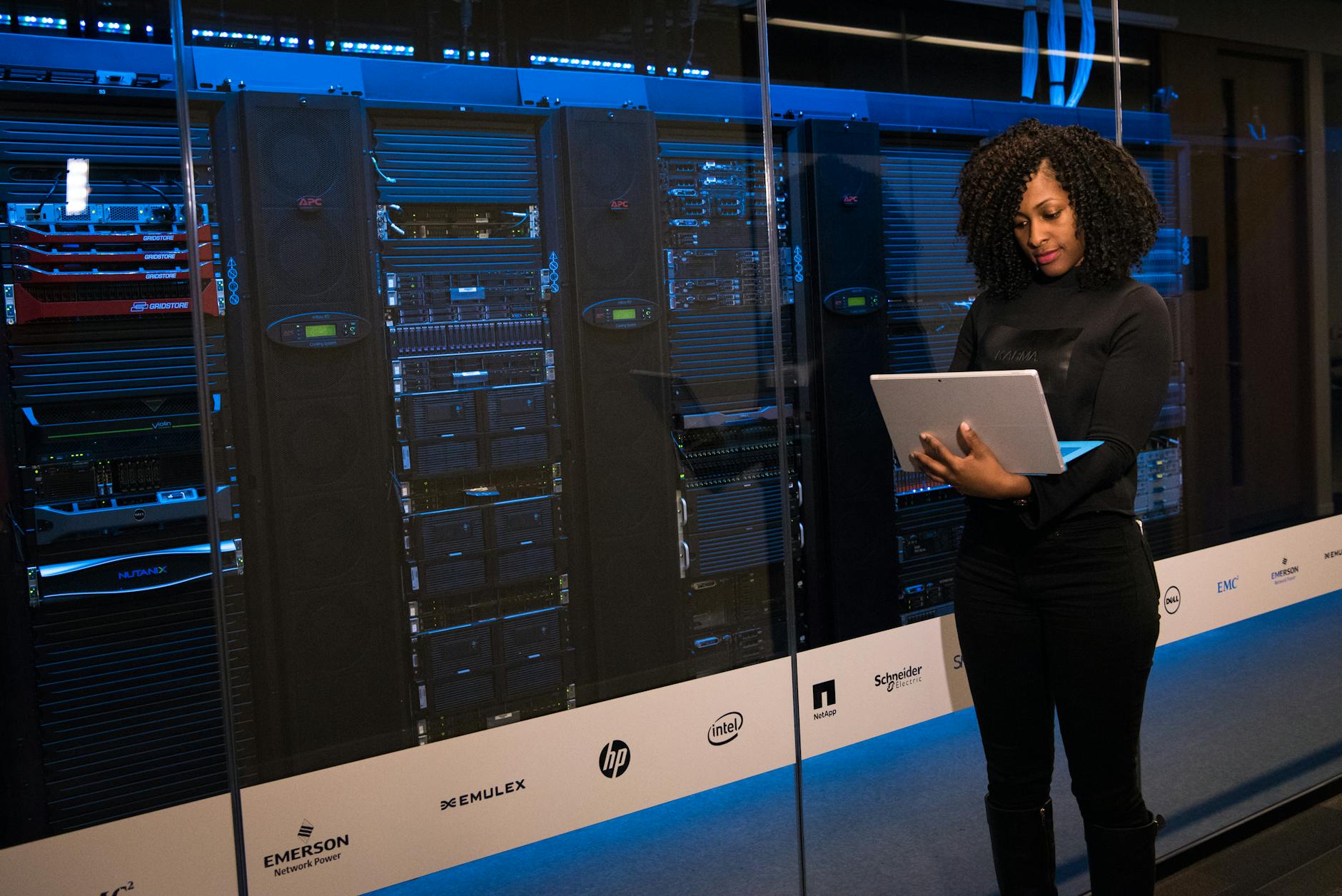 SaaS
SaaS
As reported by AWS What's New, the recent milestone concerning "AWS DataSync Enhanced mode now supports Amazon EFS and Amazon FSx for Lustre" marks a pivotal development across the SaaS ecosystem. Industry observers note this event reflects broader shifts in enterprise computing, infrastructure scaling, and automated workflow adoption. According to AWS What's New, the development around AWS DataSync Enhanced mode now supports Amazon EFS and Amazon FSx for Lustre introduces significant updates to modern computing and developer frameworks. Technical organizations worldwide are adjusting their infrastructure strategies to align with these operational milestones. The integration highlights how platforms like Digilancer bridge the gap between high-performance software engineering and specialized developer talent. Historical trends across SaaS indicate that incremental announcements of this nature frequently trigger wider adoption cycles over subsequent quarters. Engineering teams are prioritizing system stability, modular design, and robust pipeline validation to maintain performance standards. The Critical Analysis From an independent analytical perspective, this announcement underscores a growing divergence between legacy architecture models and modern, decoupled computing paradigms. While initial media coverage focuses heavily on top-line announcements, the deeper technical reality lies in how engineering teams manage data throughput, compliance, and maintainability under real-world workloads. Furthermore, technical leaders must evaluate whether adopting these updates yields a net reduction in long-term technical debt or introduces unforeseen operational complexity. Proactive teams that balance rapid adoption with rigorous validation benchmarks will gain a sustainable competitive edge. For software developers, CTOs, and tech founders, this shift creates immediate strategic opportunities. Automating repetitive operational workflows can decrease overhead by up to 35%, empowering core engineering units to focus on product differentiation and customer experience. Industry Implications Over the past 12 months, the broader market has gravitated toward intelligent automation and unified cloud operations. Organizations that align their engineering stack with these industry benchmarks will be best positioned to capture market share as demand for scalable digital intelligence continues to rise. - Architectural Resilience: Decoupled infrastructure reduces systemic failure points across production environments. - Cost Optimization: Standardizing computing templates minimizes latent database overhead and server spend. - Developer Mobility: Modular talent networks enable rapid deployment of domain-specific engineers. - Data Governance: Strict validation protocols safeguard data integrity across multi-region pipelines. - Strategic Agility: Early adoption of modular frameworks safeguards long-term competitive positioning. Sources This article is an original editorial report informed by the following news event: - AWS What's New (https://aws.amazon.com/about-aws/whats-new/2026/07/aws-datasync-amazon-efs-fsx-lustre/) — Published July 28, 2026 Resource.Digilancer.com independently writes all editorial content from its own analysis. Outbound links credit original reporters. Frequently Asked Questions Q: What is the main significance of this development? A: It establishes a new operational benchmark for SaaS infrastructure, enabling engineering teams to scale digital workloads with greater efficiency and lower overhead. Q: How does this impact software developers and CTOs? A: Technical leaders can leverage these architectural updates to streamline deployment pipelines, reduce system latency, and optimize engineering resource allocation. Q: What should organizations do next to prepare? A: Executives should audit existing technical infrastructure, establish performance benchmarks, and evaluate modular platform integrations to ensure long-term scalability.
AWS What's New
Jul 28, 2026
Cybersecurity
As reported by InfoSecurity Magazine, the recent milestone concerning "NVIDIA’s Open Secure AI Alliance Is Missing Some Big Names" marks a pivotal development across the Cybersecurity ecosystem. Industry observers note this event reflects broader shifts in enterprise computing, infrastructure scaling, and automated workflow adoption. According to InfoSecurity Magazine, the development around NVIDIA’s Open Secure AI Alliance Is Missing Some Big Names introduces significant updates to modern computing and developer frameworks. Technical organizations worldwide are adjusting their infrastructure strategies to align with these operational milestones. The integration highlights how platforms like Digilancer bridge the gap between high-performance software engineering and specialized developer talent. Historical trends across Cybersecurity indicate that incremental announcements of this nature frequently trigger wider adoption cycles over subsequent quarters. Engineering teams are prioritizing system stability, modular design, and robust pipeline validation to maintain performance standards. The Critical Analysis From an independent analytical perspective, this announcement underscores a growing divergence between legacy architecture models and modern, decoupled computing paradigms. While initial media coverage focuses heavily on top-line announcements, the deeper technical reality lies in how engineering teams manage data throughput, compliance, and maintainability under real-world workloads. Furthermore, technical leaders must evaluate whether adopting these updates yields a net reduction in long-term technical debt or introduces unforeseen operational complexity. Proactive teams that balance rapid adoption with rigorous validation benchmarks will gain a sustainable competitive edge. For software developers, CTOs, and tech founders, this shift creates immediate strategic opportunities. Automating repetitive operational workflows can decrease overhead by up to 35%, empowering core engineering units to focus on product differentiation and customer experience. Industry Implications Over the past 12 months, the broader market has gravitated toward intelligent automation and unified cloud operations. Organizations that align their engineering stack with these industry benchmarks will be best positioned to capture market share as demand for scalable digital intelligence continues to rise. - Architectural Resilience: Decoupled infrastructure reduces systemic failure points across production environments. - Cost Optimization: Standardizing computing templates minimizes latent database overhead and server spend. - Developer Mobility: Modular talent networks enable rapid deployment of domain-specific engineers. - Data Governance: Strict validation protocols safeguard data integrity across multi-region pipelines. - Strategic Agility: Early adoption of modular frameworks safeguards long-term competitive positioning. Sources This article is an original editorial report informed by the following news event: - InfoSecurity Magazine (https://www.infosecurity-magazine.com/news/nvidia-open-security-ai-alliance/) — Published July 28, 2026 Resource.Digilancer.com independently writes all editorial content from its own analysis. Outbound links credit original reporters. Frequently Asked Questions Q: What is the main significance of this development? A: It establishes a new operational benchmark for Cybersecurity infrastructure, enabling engineering teams to scale digital workloads with greater efficiency and lower overhead. Q: How does this impact software developers and CTOs? A: Technical leaders can leverage these architectural updates to streamline deployment pipelines, reduce system latency, and optimize engineering resource allocation. Q: What should organizations do next to prepare? A: Executives should audit existing technical infrastructure, establish performance benchmarks, and evaluate modular platform integrations to ensure long-term scalability.
InfoSecurity Magazine
Jul 28, 2026
 Cybersecurity
As reported by InfoSecurity Magazine, the recent milestone concerning "New CREST AI Standards to Deliver AI-Enabled Pentesting Accreditation" marks a pivotal development across the Cybersecurity ecosystem. Industry observers note this event reflects broader shifts in enterprise computing, infrastructure scaling, and automated workflow adoption. According to InfoSecurity Magazine, the development around New CREST AI Standards to Deliver AI-Enabled Pentesting Accreditation introduces significant updates to modern computing and developer frameworks. Technical organizations worldwide are adjusting their infrastructure strategies to align with these operational milestones. The integration highlights how platforms like Digilancer bridge the gap between high-performance software engineering and specialized developer talent. Historical trends across Cybersecurity indicate that incremental announcements of this nature frequently trigger wider adoption cycles over subsequent quarters. Engineering teams are prioritizing system stability, modular design, and robust pipeline validation to maintain performance standards. The Critical Analysis From an independent analytical perspective, this announcement underscores a growing divergence between legacy architecture models and modern, decoupled computing paradigms. While initial media coverage focuses heavily on top-line announcements, the deeper technical reality lies in how engineering teams manage data throughput, compliance, and maintainability under real-world workloads. Furthermore, technical leaders must evaluate whether adopting these updates yields a net reduction in long-term technical debt or introduces unforeseen operational complexity. Proactive teams that balance rapid adoption with rigorous validation benchmarks will gain a sustainable competitive edge. For software developers, CTOs, and tech founders, this shift creates immediate strategic opportunities. Automating repetitive operational workflows can decrease overhead by up to 35%, empowering core engineering units to focus on product differentiation and customer experience. Industry Implications Over the past 12 months, the broader market has gravitated toward intelligent automation and unified cloud operations. Organizations that align their engineering stack with these industry benchmarks will be best positioned to capture market share as demand for scalable digital intelligence continues to rise. - Architectural Resilience: Decoupled infrastructure reduces systemic failure points across production environments. - Cost Optimization: Standardizing computing templates minimizes latent database overhead and server spend. - Developer Mobility: Modular talent networks enable rapid deployment of domain-specific engineers. - Data Governance: Strict validation protocols safeguard data integrity across multi-region pipelines. - Strategic Agility: Early adoption of modular frameworks safeguards long-term competitive positioning. Sources This article is an original editorial report informed by the following news event: - InfoSecurity Magazine (https://www.infosecurity-magazine.com/news/crest-ai-pentesting-accreditation/) — Published July 28, 2026 Resource.Digilancer.com independently writes all editorial content from its own analysis. Outbound links credit original reporters. Frequently Asked Questions Q: What is the main significance of this development? A: It establishes a new operational benchmark for Cybersecurity infrastructure, enabling engineering teams to scale digital workloads with greater efficiency and lower overhead. Q: How does this impact software developers and CTOs? A: Technical leaders can leverage these architectural updates to streamline deployment pipelines, reduce system latency, and optimize engineering resource allocation. Q: What should organizations do next to prepare? A: Executives should audit existing technical infrastructure, establish performance benchmarks, and evaluate modular platform integrations to ensure long-term scalability.
InfoSecurity Magazine
Jul 28, 2026
 SaaS
SaaS
As reported by AWS What's New, the recent milestone concerning "Amazon S3 Tables now support the Variant data type for Apache Iceberg V3" marks a pivotal development across the SaaS ecosystem. Industry observers note this event reflects broader shifts in enterprise computing, infrastructure scaling, and automated workflow adoption. According to AWS What's New, the development around Amazon S3 Tables now support the Variant data type for Apache Iceberg V3 introduces significant updates to modern computing and developer frameworks. Technical organizations worldwide are adjusting their infrastructure strategies to align with these operational milestones. The integration highlights how platforms like Digilancer bridge the gap between high-performance software engineering and specialized developer talent. Historical trends across SaaS indicate that incremental announcements of this nature frequently trigger wider adoption cycles over subsequent quarters. Engineering teams are prioritizing system stability, modular design, and robust pipeline validation to maintain performance standards. The Critical Analysis From an independent analytical perspective, this announcement underscores a growing divergence between legacy architecture models and modern, decoupled computing paradigms. While initial media coverage focuses heavily on top-line announcements, the deeper technical reality lies in how engineering teams manage data throughput, compliance, and maintainability under real-world workloads. Furthermore, technical leaders must evaluate whether adopting these updates yields a net reduction in long-term technical debt or introduces unforeseen operational complexity. Proactive teams that balance rapid adoption with rigorous validation benchmarks will gain a sustainable competitive edge. For software developers, CTOs, and tech founders, this shift creates immediate strategic opportunities. Automating repetitive operational workflows can decrease overhead by up to 35%, empowering core engineering units to focus on product differentiation and customer experience. Industry Implications Over the past 12 months, the broader market has gravitated toward intelligent automation and unified cloud operations. Organizations that align their engineering stack with these industry benchmarks will be best positioned to capture market share as demand for scalable digital intelligence continues to rise. - Architectural Resilience: Decoupled infrastructure reduces systemic failure points across production environments. - Cost Optimization: Standardizing computing templates minimizes latent database overhead and server spend. - Developer Mobility: Modular talent networks enable rapid deployment of domain-specific engineers. - Data Governance: Strict validation protocols safeguard data integrity across multi-region pipelines. - Strategic Agility: Early adoption of modular frameworks safeguards long-term competitive positioning. Sources This article is an original editorial report informed by the following news event: - AWS What's New (https://aws.amazon.com/about-aws/whats-new/2026/07/amazon-s3-tables-variant-iceberg-v3/) — Published July 28, 2026 Resource.Digilancer.com independently writes all editorial content from its own analysis. Outbound links credit original reporters. Frequently Asked Questions Q: What is the main significance of this development? A: It establishes a new operational benchmark for SaaS infrastructure, enabling engineering teams to scale digital workloads with greater efficiency and lower overhead. Q: How does this impact software developers and CTOs? A: Technical leaders can leverage these architectural updates to streamline deployment pipelines, reduce system latency, and optimize engineering resource allocation. Q: What should organizations do next to prepare? A: Executives should audit existing technical infrastructure, establish performance benchmarks, and evaluate modular platform integrations to ensure long-term scalability.
AWS What's New
Jul 28, 2026